
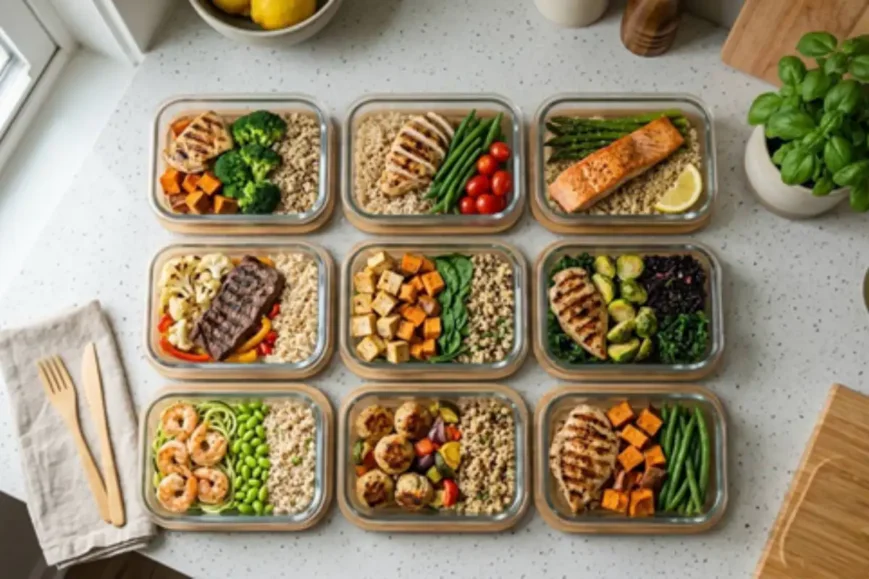
Most guides about batch cooking focus on recipes, macros, and cooking techniques, but the meals that actually get eaten during a busy training week depend on something less glamorous: how they are stored, portioned, and found again. Even well-planned meal prep storage containers can fail their purpose if the food inside them disappears into a disorganized freezer and never resurfaces before it spoils or gets replaced by takeout. This article looks at the storage side of meal prep, from portioning and labeling to the kind of freezer layout that keeps cooked food visible and usable throughout the week, rather than forgotten at the back of a drawer.
TL;DR — Key Takeaways
- Meal prep fails as often from poor storage and visibility as from poor cooking; food that can’t be found or identified quickly gets skipped in favor of convenience options.
- Single-portion freezing, clear labeling with dates, and first-in-first-out rotation keep meal prep storage containers useful for weeks rather than days.
- A freezer setup with clear-fronted, smooth-running drawers makes it easier to scan and reach prepped meals without unpacking everything.
- Pairing a fixed prep day with a short weekly inventory check turns meal prep into a repeatable habit instead of a one-time effort.
Why Meal Prep Is the Hidden Variable in Most Transformation Plans
Training programs tend to get the credit or the blame when a transformation stalls, but nutrition consistency is usually decided earlier, in the kitchen, days before a workout even happens. A batch of cooked chicken and rice only supports a training goal if it gets eaten instead of a delivery order, and that depends heavily on whether the person can actually see and reach it when hunger and time pressure hit at the same moment.
Prepped meals lose their value the moment they become invisible. Once a container gets pushed behind other items or buried under ice buildup, it stops functioning as a meal and starts functioning as freezer clutter. The cooking effort was real, but the payoff never arrives, and the natural response is to order food instead, which quietly undoes the discipline built during the actual prep session.
This is where rotation discipline matters as much as the cooking itself. A first-in-first-out approach, where older meals are moved to the front and used before newer ones, prevents a slow pile-up of forgotten portions. Without that habit, a freezer fills with good intentions rather than usable meals, and the person doing the training ends up shopping and cooking again from scratch, week after week, without ever drawing down what was already prepared.
Batch Cooking Basics: Portions, Labeling, and Rotation
Good batch cooking starts with how the food is divided, not just how it is prepared. Cooking a large tray of protein and grains is efficient, but storing it as one large block works against the goal of quick, grab-and-go meals during the week. Single-portion freezing, where each meal is sealed and frozen separately, beats large batch blocks because it lets someone take out exactly what is needed without thawing far more food than the moment calls for.
Labeling solves a different, equally common problem: the unidentifiable frozen meal. Once several dishes go into the freezer over consecutive weeks, containers of similar-looking rice, sauce, or ground meat become impossible to tell apart just by looking through a frosted lid. Dating each container, ideally with both the contents and the day it was made, removes the guesswork and makes rotation possible in the first place, since nobody can prioritize older meals they can’t identify.
A practical batch-cooking routine tends to follow a consistent sequence:
- Cook and cool the full batch before portioning, so heat doesn’t create condensation inside sealed containers.
- Divide into single servings sized for one meal, not a family portion.
- Label each container with contents and date, then place new batches behind older ones.
- Reassess weekly, moving anything unused for too long to the front of the queue.
Followed consistently, this sequence turns a single cooking session into several days of ready meals that stay identifiable and accessible, rather than a mystery collection that eventually gets thrown out during a freezer clean-out.
Storage That Keeps Prepped Meals Visible and Accessible
Portioning and labeling solve half the problem; the other half comes down to the physical storage itself. A freezer where every shelf is opaque and deep forces a full unpacking session just to find one meal, which discourages the quick daily grab that meal prep is supposed to enable. Drawer-style storage changes this dynamic by letting food sit in defined, separate compartments that can be scanned without disturbing everything around them.
A drawer with a clear front adds a further layer of convenience, since it allows someone to see roughly what’s inside before pulling it open, cutting down on the trial-and-error of checking drawer after drawer while holding the freezer door open. That matters more than it sounds, because every extra second spent searching in a cold, open freezer is a moment where the easier option, ordering food instead, becomes more tempting.
Reaching items also gets harder as a freezer fills up with a full week’s worth of batches, which is exactly when smooth-running telescopic drawer rails start to matter. Rails that extend fully let a drawer glide out far enough to reach containers stored toward the back, rather than leaving them wedged out of reach behind whatever was loaded most recently. One example of this kind of layout appears in a fully integrated freezer built around drawers, such as the arrangement found in the integrated Freezer 60 / 40 range, which combines a transparent drawer front for a quick overview of contents with telescopic rails designed to keep even back-of-drawer items within easy reach. For someone rotating several weeks of batch-cooked meals at once, that kind of quick-overview access can be the difference between a freezer that gets used properly and one that quietly becomes a storage graveyard.
Building a Weekly Prep-and-Store Routine That Sticks
A single successful batch-cooking session doesn’t build a habit; a repeatable weekly structure does. Setting a fixed prep day, the same day each week, turns meal prep from a decision into a routine, removing the mental negotiation of whether or when to do it. Pairing that fixed day with a short freezer inventory check, just a quick look at what’s left before deciding what to cook next, keeps the rotation working as intended and reduces the food waste that comes from cooking a fresh batch while older meals sit forgotten underneath it.
Grouping meals by macro type rather than by finished dish also speeds up daily assembly. Instead of freezing ten identical containers of one recipe, storing separate portions of protein, carbohydrate, and vegetable components lets someone mix and match based on what they’re in the mood for, without losing the speed advantage of having everything pre-cooked. This approach trades a bit of recipe variety planning for a lot of flexibility at mealtime, since a protein portion can pair with different sides throughout the week instead of locking every meal to one fixed combination.
The inventory check itself doesn’t need to be elaborate. Glancing through the drawers, noting what’s aging toward the front, and planning the next cooking session around using those items first is enough to keep the system self-correcting. Over several weeks, this turns the freezer into something closer to a small, organized pantry for the training program, rather than a place where cooked food goes to be forgotten. The habit compounds: each week’s shopping list gets shaped by what’s already stored, which naturally reduces both waste and the temptation to default to convenience food when the freezer visibly still has usable meals in it.
Frequently Asked Questions
How long do batch-cooked meals typically stay good in a freezer compared to a fridge?
Freezer storage generally extends how long cooked food stays safe and appetizing far beyond what refrigeration allows, since freezing slows the microbial and enzymatic activity responsible for spoilage almost to a stop. A fridge only delays that activity, which is why fridge-stored batches are meant for the first few days after cooking, while freezer-stored portions are the ones meant to carry a meal-prep routine through a full week or longer. Exact timeframes vary by dish, fat content, and how well a container is sealed, so treating labeling and rotation as the real safeguard matters more than relying on a fixed rule of thumb.
Does reheating from frozen affect texture enough to matter for daily meals?
Texture change depends heavily on the ingredient: rice and most cooked grains reheat well from frozen, while some vegetables and delicate proteins can turn noticeably softer once thawed. This happens because ice crystals forming during freezing rupture some of the food’s cell structure, so moisture escapes faster during reheating. Portioning meals with this in mind, for example freezing sauces and grains more freely than delicate garnishes, keeps daily reheated meals closer to their original quality.
What’s the simplest way to start a meal-prep storage system without overhauling everything at once?
Starting with portioning and labeling alone, before worrying about freezer layout, already solves much of the visibility problem discussed earlier. Once single-portion containers with dates become a habit, evaluating whether the current storage space makes rotation easy or difficult is a natural next step, and adjustments to the setup can follow from there rather than being planned in advance.