
Author: Fushion Fitness

  • Brakke Tablet Uses

    Brakke Tablet Uses: Brakke tablets are most commonly linked to a number of medications taken in the management of diseases such as osteoarthritis, even though they can contain different components. Here’s a general overview of what such tablets typically include, their uses, and other important details:

    Common Brakke Tablet Uses

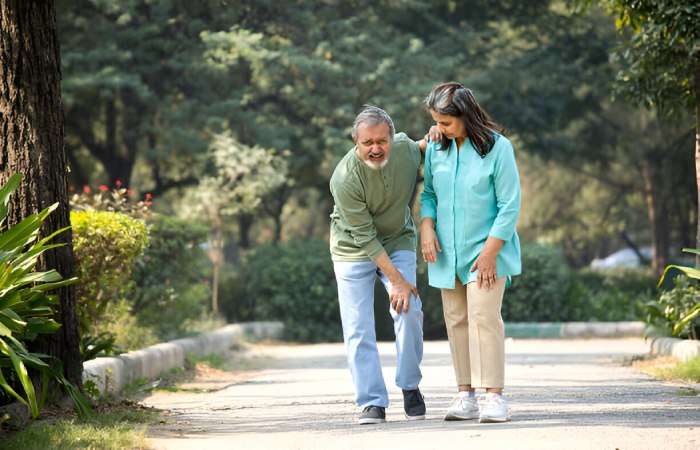
    • Osteoarthritis: To relieve pain and increase joint mobility.
    • Rheumatoid Arthritis: For inflammation and eradication of pain.
    • Joint Pain: Common pain relief of joints associated with pain.

    Common Brakke Tablet Uses

    Common Components

    • Glucosamine: A substance that occurs in cartilage and is frequently recommended for joint health as well as for patients who have arthritis.
    • Chondroitin: Another compound existing in cartilage that helps ease pain and inflammation, improve joint function, and avoid OA advance.
    • Methylsulfonylmethane (MSM): An organic sulfur-containing compound that helps reduce the inflammation and pain of afflicted joints.

    How to Take Brakke Tablet?

    • Dosage: The supplements should be guided by the doctor’s recommended dosage. Usually, one to two tablets a day with meals are used, and sometimes more depending on the severity of the condition.
    • Duration: The period in which the patient undergoes treatment depends on the ailment being treated and the response to the drug.

    Potential Side Effects

    • Gastrointestinal Issues: Vomiting, discharge, constipation, or abdominal pain.
    • Allergic Reactions: Skin reactions such as rash, itching, or swelling if you are allergic to shellfish because glucosamine is made from shellfish.
    • Headache: Some side effects may include mild headaches, especially for some people.

    Precautions

    • Allergies: Make sure you do not have any allergies, especially to shellfish.
    • Pregnancy and Breastfeeding: You should consult a healthcare provider before using.
    • Medical Conditions: One should inform the doctor of his/her ailments, particularly diabetes, bleeding disorders, or asthma, if any.
    • Drug Interactions: It is wise to disclose to the doctor any other drugs that are being taken to prevent any possible form of interaction.

    Storage

    • Temperature: This medication should be kept at room temperature in a dry and heat-protected location.
    • Safety: Cautions for Use: Hazardous if swallowed. Potential skin sensitization. Avoid exposure – do not get on the skin or clothing. Hazardous ingredients: P-phenetidine.

    Consultation

    Proper consultation must be done with your doctor before using any new supplement or medication for your condition.


  • full form of gym

    Full form of Gym – The abbreviated term for “gym” is a word derived from the Greek word “gymnasium, ” which originated from the Greek word “gymnasion,” meaning a place where training was done naked. In this article we will discuss full form of gym and other detailed information about the Gym and its benefits.

    Definition

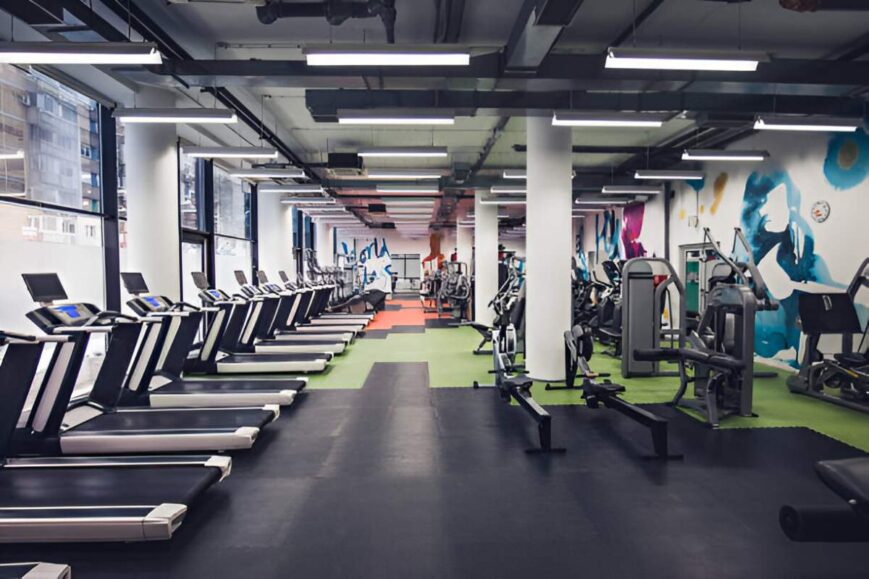
    A gym or a gymnasium is an area or premises used for exercise/gymnastic purposes or a physical fitness center. It often includes a wide range of items and zones necessary for various kinds of exercise and physical training.

    Types of Gyms

    1. Commercial Gyms are fitness centers where customers can subscribe to a service to make a profit. They often have all kinds of Equipment and an array of services, including personal training, group exercise, and wellness.
    2. Home Gyms: Rooms in a home where one fits exercise equipment to be used by individuals alone.
    3. Specialty Gyms: Increase specialization and work with CrossFit boxes, martial arts facilities, or yoga studios.
    4. Corporate Gyms: Thus, the position within the workplace is to improve the employees’ health.
    5. Hotel Gyms: These services may be offered to hotel guests.

    Common Equipment

    Common Equipment

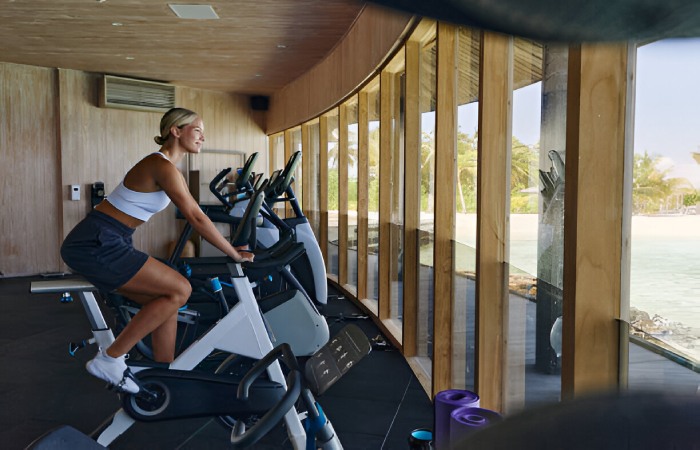
    • Cardio Machines: Cardiac Equipment: treadmill, elliptical trainer, stationary bicycle, rowing machine, Stair Climber.
    • Strength Training Equipment: Swimming sessility, free weight equipment such as dumbbells, barbells, resistance bands, kettlebells, weight lifting machines, and specialists.
    • Functional Training Equipment: Some equipment is medicine balls, balance boards, plyometric boxes, battle ropes, and the trx system.
    • Other amenities: It involves stretching areas, mats, foam rollers, swimming pools, saunas, and steam rooms.

    Weightlifting

    Popular Gym Activities

    1. Weightlifting: Applying weights mainly in building the muscles amount and their power.
    2. Cardiovascular Workouts: Endurances that elevate heart rate, such as running, cycling, or rowing.
    3. Group Fitness Classes: Traditional group classes include Yoga, Pilates, spin, Zumba, HIIT or High-Intensity Interval Training, Aerobics classes, and many more.
    4. Functional Training: Routines that replicate various movements carried out in normal life and enhance body strength and flexibility.
    5. Personal Training: Informal training is when a client hires a certified trainer to help him or her hit certain health objectives.

    Benefits of Going to the GYM

    1. Physical Health: There are plenty of positive effects of learning, such as better cardiovascular health, muscle flexibility, and endurance.
    2. Mental Health: Lower levels of stress, anxiety, and depression; increase in the levels of mood and cognitive features.
    3. Social Interaction: The ability to find new friends and thus become a group member.
    4. Structured Environment: Availability of work, such as professional Equipment, and, more importantly, a safe environment to exercise.

    Gym Etiquette

    • Cleanliness: Cleaning procedure This implies washing the Equipment after it has been used in a particular process.
    • Respect: Part ways with Equipment and let others use the Equipment in between one’s sets.
    • Noise: Some issues include loud music or any disturbance, which must be limited or restricted to headphones strictly for music.
    • Dress Code: Dress in comfortable sports attire, consisting of a T-shirt and tracksuit pants, sneakers, or any comfortable sportswear.
    • Time Management: Ensure equipment usage is also time-bound, especially during rush hours.

    Membership Considerations

    • Cost: Membership fee for a month or a year, and any more classes or personal training sessions.
    • Location: Sometimes access and ease of getting to the facility, like being close to home or the workplace.
    • Facilities and Equipment: A good place to find supplies in many cases and myriads of products in accordance to your current fitness regime.
    • Hours of Operation: Whether or not the Gym is open during your available times.
    • Community and Culture: Gym environment and people one interacts with.

    Tips for Beginners

    Set Clear Goals: Decide what goal you would like to set; it may be losing weight, gaining muscles, or attaining general fitness.

    • Start Slowly: Start with the easy exercises and then build the difficulty level.
    • Learn Proper Form: Minimize injuries by knowing the correct exercise form.
    • Stay Consistent: Consistency is the secret, as it is widely said in fitness training, to pay the price if you want to achieve the result.
    • Seek Guidance: Staff members are always willing to assist, especially if one feels too exhausted or could seek a fitness trainer’s assistance.

    Safety Tips When you go to the Gym

    • Warm-Up and Cool Down: Minimise the risks of injury by warming up before sporting activities and cooling down afterward.
    • Stay Hydrated: One should drink water before, during, and especially after exercising.
    • Listen to Your Body: Do not overtrain and be able to differentiate what is normal pain from injured regions of the body.
    • Use Equipment Correctly: Ensure you adhere to the recommended guidelines and directions for the product’s use process.

    Facilities such as gyms provide a set plan to help attain the fitness needs of a given society and/or community regarding their health and fitness improvements.


  • what is abha card

    What is ABHA Card – ABHA (Ayushman Bharat Health Account) is an element of NDHM, now known as Ayushman Bharat Digital Mission (ABDM); thus, it implies that we have an official Digital ID in India to track Health Details. This is an effort towards an effective, achievable, integrated, inexpensive, timely, and safe health system to promote universal coverage to entities worldwide.

    Explaining the Key Benefits of the ABHA Health ID Card:

    Key Benefits of the ABHA Health ID Card

    1. Unique Health ID:

    Every person is assigned a personal health identification number of 14 digits, enhancing dealings with health records.

    2. Digital Health Records:

    It simplifies an individual’s health data so that previous medical records are easily accessible and helps deal with medical information constructively.

    3. Improved Healthcare Services:

    Enhances the differentiation between diseases by offering healthcare practitioners an all-inclusive source of a patient’s history.

    4. Ease of Access:

    Also, patients can retrieve their health records at any time and from any device, which only benefits continuity of care if they need to switch providers.

    5. Interoperability:

    Supports the smooth transfer of health information between various healthcare providers and entities so that they can better coordinate clients’ care.

    6. Data Privacy and Security:

    Protects the integrity of health data storage by making sure that it is accessible only to the concerned people while observing the patient right to self-rule.

    7. Enhanced Healthcare Planning:

    Provides policymakers and healthcare organizations with various insights into the delivery and development of healthcare services and systems.

    8. Cost-Effective:

    Eliminates duplication of necessary diagnostics, decreasing total health care expenses for patients and health care systems.

    9. Inclusive Healthcare:

    Its purpose is to increase the client base and thus try to include as many individuals as possible into the category of people using formal health services.

    10. Empowered Patients:

    It enables people to own their health data and put it to the task of managing their health by sharing it with their physician when necessary.

    Eligibility for ABHA ID Card:

    Citizenship:

    • Common people of India can enroll to get the ABHA ID card as it is open to all the residents of India.

    Age:

    • The application for an ABHA ID is open to all; there are no reels of any particular age in getting the card. ABHA ID doesn’t bear age restrictions; children can also have their own ABHA ID.

    Aadhaar-Based Verification:

    • The Aadhaar card is one of the commonly used ID proofs that organizations often use for identification; however, it is not compulsory to have one. People who do not want to use Aadhaar can use other notified identification like a PAN card, Driving license, Voter ID, etc.

    Voluntary Participation:

    • The registration for the ABHA ID number is primarily cautious and is not mandatory. It is pertinent to note that people can approach the scheme or not as they wish in the Ayushman Bharat Digital Mission (ABDM).

    How to Get an ABHA Health ID Card?

    Online Registration:

    • A person may create her/ his ABHA ID through the website or the official application developed for the Ayushman Bharat Digital Mission.

    Aadhaar-Based:

    • The process can be done using an Aadhaar number, making verifying the link between health records easier.

    Non-Aadhaar Option:

    • Thus, for those who do not want to use Aadhaar, other identity documents can be utilized to introduce an ABHA ID.

    The ABHA Health ID card is a major advancement toward more systematic, efficient, and patient-oriented health care in India.

    You May Also Like to Read: Guide to Manipal Hospital Mysore in Services, Facilities, and More


  • Zerodol Spas Tablet Uses

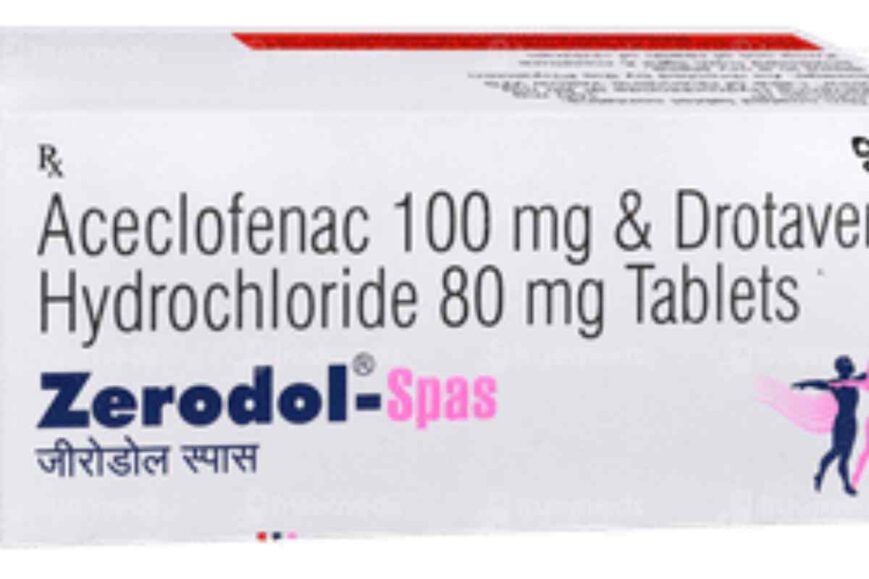
    Zerodol- SPAS is an antineoplastic, anti-inflammatory, and analgesic drug aminosteroid most typically used to manage Pain, inflammation, spasms, and convulsions. It contains three active ingredients: Aceclofenac, paracetamol – also referred to as Acetaminophen – and Dicyclomine. In the article below, we will discuss everything about Zerodol spas tablet uses and other required details.

    Composition:

    • Aceclofenac: Aceclofenac is a type of drug that is used in the treatment of pain and inflammation conditions since it falls within the category of NSAIDs.
    • Paracetamol (Acetaminophen): Paracetamol is an pain-relieving and antipyretic that aids in bringing fever down and offers some relief from Pain.
    • Dicyclomine: An antispasmodic that may assist in alleviating muscle spasms in the GI tract.

    Zerodol Spas Tablet Uses - Composition

    Zerodol spas Tablet Uses

    1. Pain Relief: Proven to be useful for people with mild to moderate pain levels.
    2. Inflammation Reduction: Beneficial in states resulting from inflammation, for example, arthritis.
    3. Muscle Spasms: Facilitates the management of muscle spasms, especially those involving the gastrointestinal system.

    Indications

    • Musculoskeletal Pain and spasms are the most common symptoms and may involve any location in the body, particularly low back pain to different extents.
    • Menstrual Pain (dysmenorrhea).
    • Gastrointestinal cramps.
    • Postoperative Pain.
    • Pain due to renal colic Pain is only one of the symptoms and mostly occurs along with uncomfortable sensations or colic due to obstruction.

    Dosage and Administration:

    • The dosage is generally prescriptive depending on the nature of the ailment and the result that the health care provider wants to achieve with the drug.
    • Most often, this medicine is administered orally, with or without food.

    Side Effects of Zerodol Spas Tablet:

    Common side effects may include:

    • Nausea
    • Vomiting
    • Dizziness
    • Drowsiness
    • Dry mouth
    • Constipation
    • Abdominal Pain.

    Serious side effects (rare) may include:

    • Skin reactions are rash, itching, and swelling due to an allergic reaction.
    • Severe dizziness
    • Trouble breathing
    • Upper gastrointestinal bleeding or ulcers
    • Hepatic or renal pathology.

    Precautions:

    • Note: It should not be used if the patient is allergic to ingredients.
    • Patients with gastrointestinal ulcer history, liver and kidney disease, and cardiovascular disease should be cautious.
    • It should not be administered to pregnant or breastfeeding women unless approved by a doctor.
    • It is advisable to minimize the intake of alcohol since it is known to lead to liver disorders.

    Interactions and Storage

    • It may interact with other NSAIDs, anticoagulants (e.g., warfarin), and some antihypertensives.
    • Do not embark on the use of any medication without informing your doctor to avoid cases of band interactions.
    • It must be appropriately stored, preferably in a cool, dry place or a place that does not influence direct sunlight.
    • To be sold only to Adults: This means that cigarette products, etc., must be placed on hard-to-reach shelves, preferably at a height beyond children’s hands.

    Like any other drug, this medication should be used under the doctor’s prescription to avoid harm and get the best results.


  • Aster RV Hospital Reviews

    Overview

    Aster RV Hospital Reviews: Aster RV Hospital is situated in JP Nagar, Bangalore, and is a certified multi-specialty hospital that offers the best medical services and healthcare amenities. It has a full-fledged Cardiology division, ENT division, Internal Medicine division, Orthopedic division, and many others, with an authorized bed strength of two hundred and fifty and all the investigative and treatment solutions.

    • Address: CA-37, 24th Main Rd, ITI Layout, 1st Phase, Landmark: Paakashala, JP Nagar, Bangalore.
    • Timings: Mon-Sat, 08:00 AM – 08:30 PM.
    • Modes of Payment: Credit Card, Insurance, Cash, Online Payment, Debit Card and UPI.
    • Ratings: 5/5.

    Specialties and Key Departments:

    Cardiology:

    Dr. Venkatesh S: Well appreciated by the patients, especially those with demanding diagnoses regarding ICD insertion. Patients like his tenacity and willingness to attend to them at any time of the day, especially in emergencies.

    ENT (Otorhinolaryngology):

    Dr. Rohit Udaya Prasad is famous for being one of the best in communication and, last but not least, being professional. He treats conditions such as nasal deviation and sinus polyps by saying and explaining a lot and is sympathetic. They prove that he can do surgeries right and get the maximum output with almost zero consequences.

    Internal Medicine:

    Dr. Bushra Bahjat: Appreciated for the good diagnostic skills that she has developed, as well as good patient relations. As her specialty, she can often determine the root contributing issues to multifaceted disorders and suggest successful cures. Their friendly nature and ability to expound complicated health concerns to patients make them liked by many.

    Doctors in Aster RV Hospital

    Doctors in Aster RV Hospital

    1. Dr. Venkatesh S

    • Specialty: MBBS, MD – Medicine, DM – Cardiology.
    • Experience: 30 years experience overall as Cardiologist , Interventional Cardiologist.
    • Consultation Fees: ₹1150
    • Timings: Mon-Sat, 11:00 AM-01:40 PM.

    2. Dr. Pavan Yadav M V

    • Specialty: MBBS, MD – Pulmonary Medicine
    • Experience: 16 years experience overall as Pulmonologist.
    • Consultation Fees: ₹1150
    • Timings: Mon-Sat, 11:00 AM-12:50 PM, 02-00 PM-04:00 PM.

    3. Dr. Divakar Bhat

    • Specialty: MBBS, MS – General Surgery, MCh – Cardio Thoracic Surgery.
    • Experience: 34 years experience overall as Cardiothoracic Surgeon.
    • Consultation Fees: ₹1100
    • Timings: Mon-Sat, 09:00 AM-1:00 PM, 02-00 PM-04:00 PM.

    4. Dr. Rohit Udaya Prasad

    • Specialty: MBBS, MS – ENT.
    • Experience: 15 years experience overall as ENT/ Otorhinolaryngologist.
    • Consultation Fees: ₹900
    • Timings: Mon-Sat, 09:30 AM-1:00 PM, 02-00 PM-04:00 PM.

    5. Dr. J V Srinivas

    • Specialty: MBBS, MS – Orthopaedics.
    • Experience: 27 years experience overall as Orthopedic surgeon, Joint Replacement Surgeon.
    • Consultation Fees: ₹1100
    • Timings: Mon-Sat, 11:00 AM-1:00 PM, 03-00 PM-05:00 PM.

    6. Dr. Ravi Gopal Varma

    • Specialty: MBBS, MS – General Surgery, MCh – Neuro Surgery.
    • Experience: 33 years experience overall as Neurosurgeon.
    • Consultation Fees: ₹1100
    • Timings: Tue-Thu, 03-00 PM-05:00 PM.

    Aster RV Hospital Reviews – Patient Experiences:

    The public often praises the hospital for state-of-the-art health equipment, not forgetting the proficiency of medical practitioners.

    Patients’ positive feedback includes the kind of treatment clients receive from doctors and how much other team members assisted them.

    Concerns have been raised regarding delayed appointments and the quality of patients’ administrative services, which could be improved.

    Facilities and Infrastructure:

    To some extent, Aster RV Hospital enjoys up-to-date diagnostic equipment and modern surgical theaters.

    It is a caring institution that allows patients to get treatment in a comfortable setting supplemented by added comforts to the basic hospital facilities.

    Employee Insights:

    Supposedly, workers at Aster RV Hospital claim that the organization maintains an excellent corporate atmosphere and contains desirable provisions for career advancement.

    Staff, for instance, pointed out areas such as handling work-life balance as some of the challenges that exist despite the organization’s best efforts at healthcare.

    Conclusion

    Aster RV Hospital Bangalore is one of the most reputed healthcare facilities offering the best medical facilities and professional assistance. Individuals are delighted with the commitments of professionals such as Dr. Venkatesh S in the Department of Cardiology or Dr. Rohit Udaya Prasad in the Department of ENT. The medical services offered in the hospital are excellent; however, there is a challenge with the administrative section in enhancing timely operations. In conclusion, Aster RV Hospital is a solid choice for patients needing accessible and sophisticated medical care.


  • Double Ear Infection

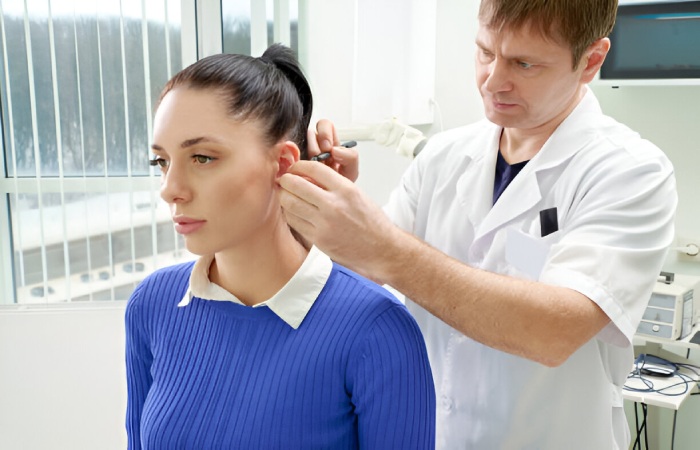
    A bilateral otitis media, referred to as a double ear infection, is one where both ears are infected at the same time. This condition can be even more uncomfortable and even more severe than just having an ear infection.

    Causes of Double Ear Infection

    The infections are normally described as bacterial or viral, and they invade the middle ear through the Eustachian tube, which is the passage connecting the middle ear and the throat. Factors that can increase the risk include:

    • Common illnesses like the flu, colds, strep throat, and many more.
    • Allergies.
    • Sinus infections.
    • Exposure to secondhand smoke.
    • Supplemental night feeding of the baby in a lying down position.

    Symptoms

    Symptoms of a double ear infection can include:

    They only complain of bilateral earache, which only affects both ears.

    • Fever.
    • Difficulty hearing.
    • Itching of ears with drainage of the fluids.
    • Restlessness or soreness of the skin (This is usually a sign that the child is too young to give their opinion)
    • Trouble sleeping.
    • A stuffed-up feeling in the ears accompanies this.

    Treatment For a Double Ear Infection

    Treatment For a Double Ear Infection

    Treatment for a double ear infection typically involves:

    • Antibiotics: If the infection were bacterial, the doctor would recommend the patient take antibiotics. This is especially the case since it is considered dangerous to stop the intake of antibiotics before the end of their use, even if the signs of an illness are lessened.
    • Pain Relievers: Non-prescription drugs such as acetaminophen (TYLENOL) or ibuprofen (ADVIS) are safe for mild pains and fever.
    • Warm Compresses: Infants with severe earache can be relieved by putting a warm cloth on the affected ears.
    • Hydration: This reduces the thickness of the liquid, which fills the air passages and allows it to be cleared more quickly.
    • Decongestants and Antihistamines: These may be recommended for breaking down nasal congestion and/or assisting with opening the Eustachian tubes.
    • Ear Drops: Very occasionally, the doctor may prescribe a few ear drops that contain an anesthetic or steroid to minimize the pain and inflammation.

    When to Visit a Doctor?

    The following are situations that will require one to seek the services of a doctor:

    It’s essential to seek medical attention if:

    • Symptoms last for more than a couple of days.
    • The condition is defined as moderate to severe pain or discomfort.
    • Earache and pain are found together with either the fluid or pus oozing out of the ears.
    • This invariably indicates a relatively high temperature.
    • Hearing loss occurs.

    Prevention

    Preventing double ear infections involves:

    • Practicing good hand hygiene.
    • Staying away from the areas which have secondhand smoker.
    • Wondering if staying current on vaccines, such as the seasonal flu shot.
    • Managing allergies effectively.
    • All females still of child-bearing age should breastfeed their infants if they can because of their immunity-boosting factor.

    Conclusion

    A bilateral ear infection is when the two ears are infected simultaneously and is caused by bacteria or viruses. Some of these are earaches, fever, and hearing loss in both ears. Some signs may require antibiotic treatment regarding bacterial infections, analgesia, and either warm or cold pack treatment. If any of the symptoms persist or worsen, it is advised to get a medical help.


  • Is Nutella Healthy

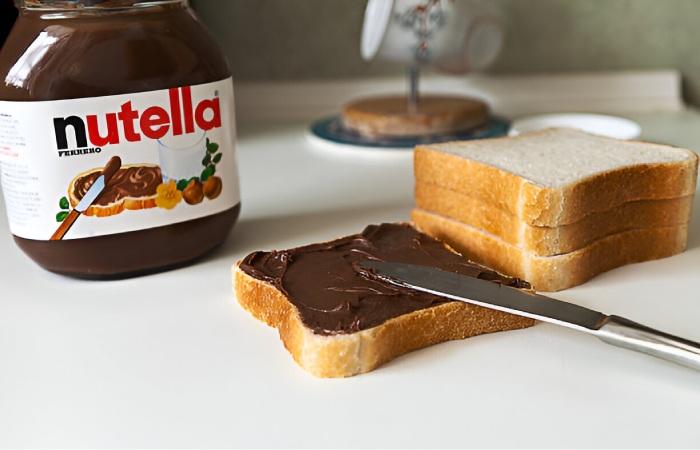
    Is Nutella Healthy – Nutella is a sweet spread made from hazelnut and cocoa with a smooth, creamy consistency. It is quite famous. It is sweet and tasty but very caloric, containing a high level of sugar and fat, so it is unhealthy in large portions. It is considered a product for recreational use and can lead to obesity, diabetes, and heart ailments in the long term in case of utilizing it regularly.

    Since Nutella can occasionally be consumed without any harm or negative effects, spreading it on bread or having it in specifically moderate portions is considered safe and healthy. However, for a more nutritious diet, it is recommended to turn to other types of spreads containing less sugar and more healthy fats.

    What is Nutella?

    Nutella is a chocolate-hazelnut spread produced by the Italian firm Ferrero. This popular type of cheese is characterized by its delicate, soft structure and rich, sweet-scented taste with some notes of nuts. The main ingredients in Nutella include:

    • Sugar: The first constituent is that they make it very sweet.
    • Palm Oil: Formerly utilized to spread the appropriate texture.
    • Hazelnuts: These give Nutella a unique nutty taste.
    • Cocoa Solids: Offer the chocolate taste, please.
    • Skim Milk Powder: This helps make the product creamier.
    • Soy Lecithin: Some stabilizing agent or emulsifier to preserve the dish’s texture.
    • Vanillin: An artificial flavor.

    Nutella - Nutritional Profile

    Nutritional Profile

    A typical serving size of Nutella is 2 tablespoons (37 grams), which contains:

    • Calories: 200
    • Total Fat: 12 grams (18 percent of the daily recommended value).
    • Saturated Fat: 4 grams, which is a 20-percent daily suggested allowance.
    • Cholesterol: 0 mg
    • Sodium: 15 mg, corresponding to 1 percent of the daily required dosage of vitamins for an adult.
    • Total Carbohydrates: This amount of fat is equivalent to 21 grams or 7% of the daily recommended value.
    • Sugars: 21 grams.
    • Protein: 2 grams.

    Health Considerations

    1. High Sugar Content: One of the drawbacks of Nutella is that it is rich in sugar and, as a result, can be dangerous to people’s health, especially when taken a lot of it in a single day; such consequences as adding on the outer part of the body, diabetes, and even tooth decay among others may occur.
    2. High-Calorie Density: The spread is calorie-dense, and a small portion is rich in calories. This can be an issue many people find themselves. If one is trying to keep an eye on one’s weight, then this is a problem.
    3. Fat Content: Cocoa spread is rich in fats such as saturated fats, which can be credited to Nutella. Fats are a crucial component of the diet, but saturated fats increase the likelihood of heart disease.
    4. Palm Oil: Some controversies involved with palm oil are environmental issues like deforestation and possible adverse effects of palm oil on health since it contains a high amount of saturated fats.
    5. Nutrient Density: Nutella contains hazelnuts but does not have much to boast of from a nutritional point of view. It is nutritionally void and is deficient in vitamins, minerals, and fiber.

    Is Nutella Healthy?

    In Moderation: It is also essential to know that, like many sweets, Nutella does not harm when taken in small quantities in a balanced diet. It should be noted that moderate use of such drinks is not very harmful to the health of an average person.

    As a Regular Part of the Diet: Regular intake of Nutella or intake of large portions of Nutella can be attributed to poor dietary practices and habits because of the product’s high sugar, fat, and calorie content.

    Healthier Alternatives

    For those looking to enjoy a hazelnut spread with a healthier twist, there are alternatives available:

    • Homemade Nutella: It is also prepared from scratch, so only your desired ingredients can be used. It can become a better option if natural sweeteners and healthier oils are used to prepare it.
    • Natural Nut Butter: Choosing a natural unsweetened spread like natural hazelnut or almond butter will improve your condition.
    • Reduced-Sugar Varieties: Some brands have products with a little sugar and other health-enhancing ingredients.

    Conclusion

    Nutella is a tasty food that does not have to be consumed daily as it is rather high in calories. Nevertheless, it is high in sugar and fat and should not be eaten liberally or often if a person is trying to eat healthily. This is a good source of nutrients, and by moderating it with other nutrient-filled foods and opting for less fattening foods when possible, it is possible to keep one’s health in check.


  • Rotisserie Chicken Recipes

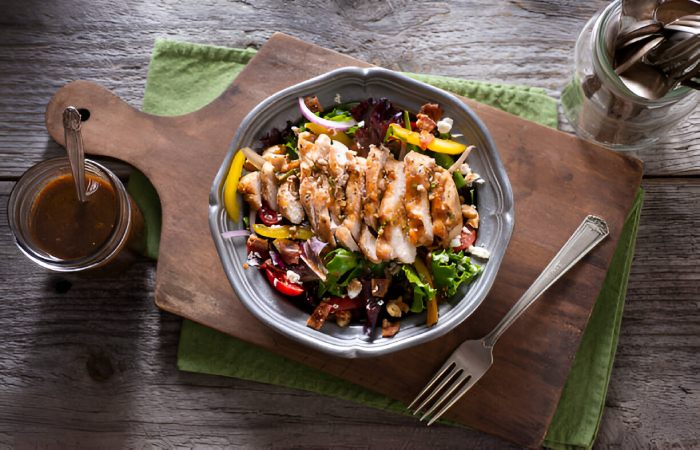
    Rotisserie chicken remains one of the favored and most utilized products, and it is admired for its tender meat and toasty crust. Here’s everything you need to know about it, including Rotisserie Chicken Recipes:

    What is Rotisserie Chicken?

    Rotisserie chicken is prepared in a roasting process. A rotisserie is a style of roasting in which chicken is placed on a spit, a Long solid rod, and Spun and basted as it is over a heat source. This method helps in appropriate heat distribution for the chicken, and at the same time, the fat tenderly roasts the chicken, making the chicken moist, juicy, and crispy outside.

    Benefits of Rotisserie Chicken

    1. Convenience: A type of rotisserie chicken is already cooked and easily bought at nearby supermarkets.
    2. Versatility: The cooked meat, on its part, can be utilized in many dishes, including salads, sandwiches, soups, and many more besides casseroles.
    3. Cost-effective: Indeed, one can buy a whole roast chicken, which would, as a rule, cost less than the same weight of parts of the chicken.

    Benefits of Rotisserie Chicken

    Nutrition

    Rotisserie chicken recipes are rich in protein and should not have much fat if you strip most of the skin. Note that sodium may be high since most commercial products are seasoned and adequately soaked in brine.

    How to Make Rotisserie Chicken at Home?

    Basic Recipe

    Ingredients:

    • 1 whole chicken of about 4-5 lbs.
    • 2 tablespoons olive oil.
    • Salt and Pepper on the ability of the organisms to perform.
    • 1 tablespoon paprika.
    • 1 teaspoon garlic powder.
    • 1 teaspoon onion powder
    • 1 teaspoon dried thyme.
    • 1 lemon, halved.
    • Fresh herbs (optional, such as rosemary or thyme).

    Instructions:

    1. Prepare the Chicken: If you prepared giblet packages, pull them out of the chicken and discard them before drying the chicken’s exterior with paper towels.
    2. Season the Chicken: Now massage the olive oil on the chicken skin liberally on both sides. Coarse ground black pepper, paprika, garlic powder, onion powder, dried thyme – combine in a small bowl and rub it all over the chicken, including the inside of the cavity.
    3. Stuff the Cavity: Put the lemon halves and fresh herbs in the chicken cavity.
    4. Truss the Chicken: Secure it with kitchen strings at the legs; pull the wings and fold them under the chicken’s body.
    5. Prepare the Rotisserie: The ideal grill temperature is moderate heat. Therefore, position your grill at the appropriate temperature for the rotisserie equipment. After that, it should be put on a spit rigidly, as described in the instructions.
    6. Cook the Chicken: Put the spit on the grill and turn the engine on. After arranging the chicken, close the lid of the grill and allow it to cook for roughly 1. 5 to 2 hours or until properly cooked and the internal temperature is 165°F or 75°C at the junction of the thigh.
    7. Rest and Serve: The chicken can now be transferred to a serving plate and correctly served on the table by slicing it after 10-15 minutes of rest.

    Rotisserie Chicken Recipes

    Chicken Salad

    Ingredients:

    • 2 cups of shredded, ready-to-eat chicken.
    • 1/2 cup mayonnaise.
    • 1/4 cup chopped celery.
    • ¼ cup for red onion.
    • 1 tablespoon Dijon mustard
    • Season with salt and Pepper to taste.
    • Fresh parsley, chopped (optional)

    Rotisserie Chicken Recipes Chicken Salad

    Instructions:

    1. Add a cooked and shredded chicken, mayonnaise, celery, red onion, and Dijon mustard into a large bowl.
    2. Combine and stir, then use salt and Pepper for flavoring.
    3. Optionally, you can sprinkle with chopped parsley.
    4. Present it on a plate of lettuce, in a sandwich or with crackers.

    Chicken Tacos

    Ingredients:

    • 2/ Measure 2 cups shredded rotisserie chicken.
    • 1 tablespoon olive oil.
    • 1/2 cup diced onion.
    • 1/2 cup of the diced edible green bell pepper.
    • 1 packet of taco seasoning.
    • 1/2 cup water.
    • Corn or flour tortillas.
    • Toppings: thus, one finds shredded lettuce, diced tomatoes, shredded cheese, sour cream, salsa, avocado, and other stuff.

    Rotisserie Chicken Recipes Chicken Tacos

    Instructions:

    1. First Sauté the olive oil in a skillet for about 3 minutes on medium heat. Sauté the onion and bell pepper, then add the diced one to the mix.
    2. Add the shredded chicken to the skillet, then season with taco seasoning. Add water and mix until ‘total sap formulation’ is achieved.
    3. Cook until the chicken is properly cooked through the middle and the sauce is slightly thicker.
    4. According to the instructions on the packaging of the tortillas, warm them up.
    5. Place the chicken mixture into the tortillas and add toppings of your choice.

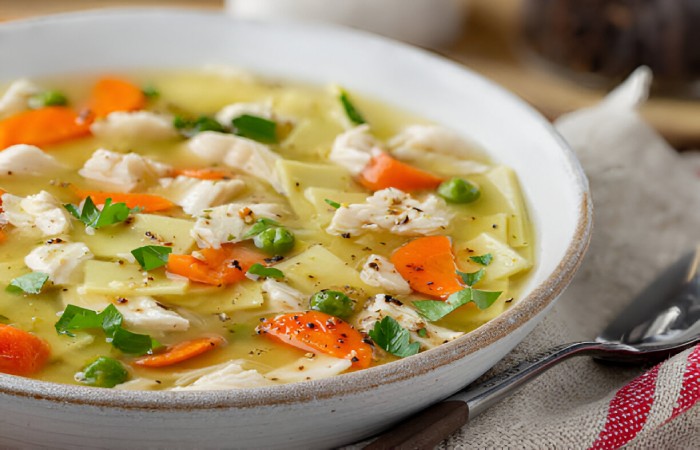
    Chicken Soup

    Ingredients:

    • Rotisserie chicken shredded 2 cups.
    • 1 tablespoon olive oil.
    • 1 onion, diced.
    • 2 carrots, diced.
    • 2 celery stalks, diced.
    • 3 garlic cloves, minced.
    • 8 cups chicken broth.
    • Same, 1 cup egg noodles or any other pasta of your choice.
    • 1 teaspoon dried thyme.
    • Salt pepper to taste.
    • Fresh parsley, chopped (optional).

    Chicken Soup

    Instructions:

    1. Warm the olive oil in a large pot for medium heat. Sauté the onion, carrots, and celery to the hamburger until lightly brown.
    2. Put in the garlic and allow the mixture to cook for one more minute.
    3. Add the chicken broth and let it simmer and boil. Add egg noodles and dried thyme and cook until these noodles are cooked as the packet instructs.
    4. Close the lid and add the shredded chicken, stir, and cook till the chicken is hot.
    5. Add salt and Pepper, and it is ready to be served.
    6. It is preferred to be garnished with some fresh parsley.

    Tips for Using Rotisserie Chicken

    1. Leftover Uses: The leftover meat should be shredded and can be used to make sandwiches, tacos, soup, salads, and casseroles.
    2. Storing: Any remaining chicken should be kept in an airtight container and stored in the refrigerator for over four days.
    3. Freezing: Discard the bones, shred the meat, portion it into freezable bags and freeze for up to 3 months.

    Conclusion

    Rotisserie chicken is one of the most useful products and can be a component of different dishes. It is widely produced and readily available, especially when you buy frozen food, but it can also be homemade and is usually one of the best ways to have a good meal.


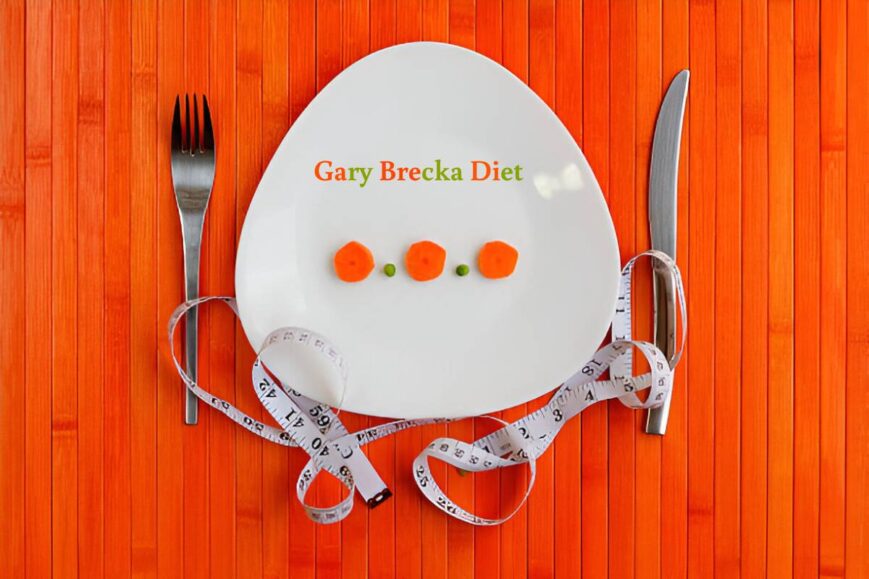
  • Gary Brecka Diet

    Gary Brecka, a prominent expert in health and exercise, promises that the optimal diet does not exist. Thus, the diet should be chosen considering its positive impact on the human body and its perspectives for all-round development. Here’s everything you need to know about Gary Brecka Diet approach:

    Core Principles

    1. Whole Foods: Attention is paid to the nutritional quality of the food by referring to entire and unprocessed foods.
    2. Balanced Macronutrients: Sturdiness; the recommended amount of proteins, fats, and carbohydrates per serving.
    3. Nutrient Density: Also emphasize the consumption of vitamin and mineral-containing and other nutrient-dense foods.
    4. Anti-Inflammatory Foods: Refusal foods are likely to bring inflammation into the body.

    Key Components of the Diet

    In this context, the following components of the diet can be pointed out as significant to achieving the goals of the diet:

    • Lean Proteins: These are foods from organic natural sources: grass-fed beef, wild-caught fish, organic poultry, legumes, and nuts.
    • Healthy Fats: Purposes: Space changes to rare omega-3 fatty acids from fish, flaxseeds, white chia seeds, avos, nuts, and olive oil.
    • Complex Carbohydrates: These include vegetables, fruits, whole grains, and beans, and there are many others, but they are a vast group. Eliminate foods containing refined sugars and processed carbohydrates.
    • Hydration: It is imperative to ensure that water intake in the required amount is vital. Gary also stressed the importance of water and that drinking water alongside other meals is advisable.
    • Micronutrients: Try to eat foods that contain necessary vitamins and minerals. They are vegetables, fruits, and nuts, in particular, the kind of green leafy vegetables.
    • Gut Health: To maintain digestive health, add some food supplements, including probiotics and prebiotics.

    Foods to Avoid

    Foods to Avoid - Gary Brecka Diet

    • Processed and packaged foods.
    • Sucrose and other related sugars or glucose substitutes.
    • Fats such as Trans fats and Hydrogenated oils.
    • Excessive caffeine and alcohol.
    • Foods with these characteristics have extra ingredients such as artificial colors, flavors, and chemical preservatives.

    Lifestyle Integration

    • Intermittent Fasting: Cyclic fasting is a tool that can help improve metabolism and extend the patient’s lifespan.
    • Exercise: Body exercise that is still aerobic and strength training at least three times a week.
    • Sleep: Obtaining enough quality sleep so the body can recover and be in good condition.
    • Stress Management: Other practices such as meditation, yoga, and mindfulness are also helpful for stress management.

    Supplementation

    • Vitamins and Minerals: Depending on the individual’s desires, it might be beneficial for Gary to bear the recommendation to take certain supplements to obtain sufficient nutrients in the body.
    • Omega-3 Fatty Acids: Recommended more often as a preventive measure for heart and brain diseases.
    •  Probiotics: For gut health 24 Iron, it is essential to ensure that you have a healthy gut flora.

    Personalization

    Gary Brecka’s strategy is focused on developing diet plans that suit the health requirements of an individual, goals, and genes. He mainly encourages his clients to undergo genetic analysis to determine particular eatery requirements for different patients and their best treatment.

    Benefits of Gary Brecka Diet

    • Improved energy levels
    • Some key benefits include allocator: all respondents reported being more mentally alert and sharper in their ability to focus.
    • Improved digestion and the state of the stomach.
    • Reduced inflammation.
    • Weight management.
    • Increasing its content positively influences general health and lifespan.

    Criticisms and Considerations

    Accessibility: Others may experience difficulty in getting or paying for their required organic and specialty food.

    Sustainability: Some newly adopted diet techniques in the diet narrative would be challenging for some people to observe in the long run.

    Medical Supervision: As with any dietary changes, it is always advised to seek medical advice from a healthcare provider first, especially if one has any existing medical conditions.

    Indeed, Gary Brecka’s diet is a comprehensive view devoted to the wholesome meal, exercise, and lifestyle patterns that benefit individuals’ health.


  • Best Neurologist in Hyderabad

    Who is a Neurologist?

    A neurologist is a physician’s specialist who studies, diagnoses and manages conditions affecting the nervous system. These are the structures such as the brain, spinal cord, peripheral nerves, and muscles. In this article, we will learn about a Neurologist and the best Neurologist in Hyderabad.

    Training and Education

    • Undergraduate Education: A college or university education of four years’ training or equivalents.
    • Medical School: Eight years of college before medical school to become a medical doctor or an osteopathic doctor (4 years of medical school for an MD or DO followed by internship/residency).
    • Residency: 3-4 years of focused study in neurology. A URL Session delegate is an object that manages messages and implements specific protocols for a URL Session.
    • Fellowship (optional): Complementary of 1-2 years of postgraduate training in the specific sub-specialties (stroke, epilepsy and movement disorder).

    Subspecialties

    Neurologists can further specialize in areas such as:

    • Epilepsy
    • Stroke (Vascular Neurology)
    • Multiple Sclerosis
    • Neurocritical Care
    • Neuromuscular Medicine
    • Sleep Medicine
    • Neuromuscular disorders ( e. g. Parkinson’s Disease)
    • Pediatric Neurology
    • Neuro-oncology refers to the branch of medicine that treats tumors within the brain and spinal cord.

    Conditions Treated

    Neurologists treat a wide range of conditions, including

    • Epilepsy: Seizure disorders.
    • Stroke: This includes cases involving loss of blood supply to the brain.
    • Parkinson’s Disease: An ailment that can cause disability in how one moves.
    • Multiple Sclerosis (MS): An illness that is known to be an affliction of the neural canal.
    • Alzheimer’s Disease and other dementias: Neurodegenerative diseases This is through effective drugs that have impressions on the central nervous system, thus reducing the effect of cognitive decline disorders such as neurodegenerative diseases.
    • Headache disorders, particularly migraines
    • Neuropathy: Injury to the nerves towards the extremities and elsewhere.
    • ALS (Amyotrophic Lateral Sclerosis): An ailment that affects the nervous system and acts progressive in nature.
    • Myasthenia Gravis: A disease that affects the muscles by weakening them.
    • Sleep Disorders: Like insomnia and sleep apnea.

    Diagnostic Tools - Neurologist

    Diagnostic Tools

    Neurologists use various diagnostic tests, including:

    • MRI (Magnetic Resonance Imaging): Special pictures of the human head and spinal column.
    • CT (Computed Tomography) Scan: Axial sections imaging of the brain.
    • EEG (Electroencephalography): Records the number that concerns electrical activity within the brain.
    • EMG (Electromyography): Checkpoints for the general health status of muscles and the nerve cells regulating them.
    • Nerve Conduction Studies: Determine the efficiency and the speed of nerve impulse conduction.
    • Lumbar Puncture (Spinal Tap): Tends to analyze CSF’s cytological and biochemical aspects.

    Treatments

    Neurologists employ a variety of treatments:

    • Medications: These include controlling symptoms and illnesses (For instance, epilepsy remedies, muscle relaxants, migraine medicines).
    • Lifestyle Modifications: Lifestyle measures that includes the following;
    • Physical Therapy: Physical therapy can be required for many reasons, like improving the mobility and function of something like the shoulder.
    • Surgical Referrals: A patient might be advised to see a neurosurgeon when they have a condition that may necessitate surgery, for instance, a tumor in the brain or spinal severe column complications.
    • Interventional Procedures: Like Botox therapy for migraines or spasticity INDICATIONS: Chronic migraine prophylaxis with Botox, Upper limb spasticity with Botox.

    When to See a Neurologist?

    Here is a list of signs that many people experience to indicate when they should see a neurologist:

    You may need to see a neurologist if you experience symptoms such as:

    • Chronic or severe headaches
    • Dizziness or balance problems
    • Chronic pain or numbness
    • Seizures
    • Memory problems or confusion
    • Muscle weakness or tremors
    • Slowness of speech or inability to speak or comprehend what others are saying
    • Vision problems.

    Best Neurologist in Hyderabad

    1. Dr. Siddartha Reddy

    • Specialty: MBBS, MD – Pediatrics, DM – Neurology.
    • Experience: 16 Years Experience Overall.
    • Availability: Siddarth Neuro Centre.
    • Address: Madinaguda, Plot No 196, Mythri Nagar, Madinaguda, Landmark: Beside South India Shopping Mall, Hyderabad.
    • Ratings: 4/5
    • Consultation Fees: ₹700
    • Timings: Mon-Sat – 12:00 PM – 02:00 PM, 04:00 PM – 09:00 PM.

    2. Dr. S Srikanth Reddy

    • Specialty: MBBS, MS – General Surgery, MCh – Neuro Surgery, Neurosurgeon, Neurologist.
    • Experience: 20 Years Experience Overall (10 years as a specialist).
    • Availability: Medicover Hospitals.
    • Address: Hitech City, Opposite Cyber Gateway, IBIS Hotel Lane, Hi-tech City, Hyderabad, Telangana, Landmark: IBIS Hotel Lane, Hyderabad.
    • Ratings:5/5
    • Consultation Fees: ₹600
    • Timings: Mon-Sat – 11:00 AM – 04:00 PM.

    3. Dr. Vikram Reddy

    • Specialty: MBBS, DNB – Paediatrics, DNB – Neurology, Neurologist.
    • Experience: 15 Years Experience Overall (7 years as a specialist).
    • Availability: Medicover Hospitals.
    • Address: Hitech City, Opposite Cyber Gateway, IBIS Hotel Lane, Hi-tech City, Hyderabad, Telangana, Landmark: IBIS Hotel Lane, Hyderabad.
    • Ratings:5/5
    • Consultation Fees: ₹500
    • Timings: Mon-Sat – 11:00 AM – 03:00 PM.

    4. Dr. S.P.Manik Prabhu

    • Specialty: MBBS, MS – General Surgery, MCh – Neuro Surgery, Neurosurgeon, Neurologist.
    • Experience: 20 Years Experience Overall (8 years as a specialist).
    • Availability: Medicover Hospitals.
    • Address: Begumpet, 7-1-21, Railway Station Road, Uma Nagar, Hyderabad.
    • Ratings:5/5
    • Consultation Fees: ₹750
    • Timings: Mon-Sat – 10:00 AM – 04:00 PM.

    5. Dr. Srinivas Deshmukh

    • Specialty: MBBS, DM – Neurology, Neurologist.
    • Experience: 22 Years Experience Overall (10 years as a specialist).
    • Availability: The Deccan Hospital.
    • Address: Somajiguda, 6-3-903/A and B, Raj Bhavan Road, Landmark: Opposite To Yashoda Hospital, Hyderabad.
    • Ratings:5/5
    • Consultation Fees: ₹700
    • Timings: Mon-Sat – 11:00 AM – 02:00 PM.

    Conclusion

    Finding the best neurologist in Hyderabad involves considering factors such as expertise, patient reviews, and hospital affiliations. Renowned neurologists in Hyderabad often have extensive experience, advanced training, and are associated with top medical institutions.